
It has been said that when you look at the history of art , you are looking at the history of the world. The art that ancient cultures produce is often the only thing that survive the demise of those cultures. The only way we know what life was like in these older cultures is through the art that survived through the years. Photography is no different, except, due to it’s somewhat standardized process, it allows many more people to be practitioners of art, thus allowing future cultures and generations a greater view of a world that no longer exists. “The decisive moment”, as Henri Cartier-Bresson called it and Alfred Eisenstaedt practiced it, is when the essence of that moment in time is captured with a single image. This is one of the gifts photography offers the world.
As an artist, I consider my camera, computer, equipment, and the programs I use all part of my “artist’s palette”. For me, photography has always been more than simply using a process to produce an image that is a faithful representation of whatever is in front of the camera. I have always strived to go beyond simply documenting what I see but rather record the uniqueness of my subjects – Why did this catch my attention? What makes this unique? – are the questions I constantly ask myself.
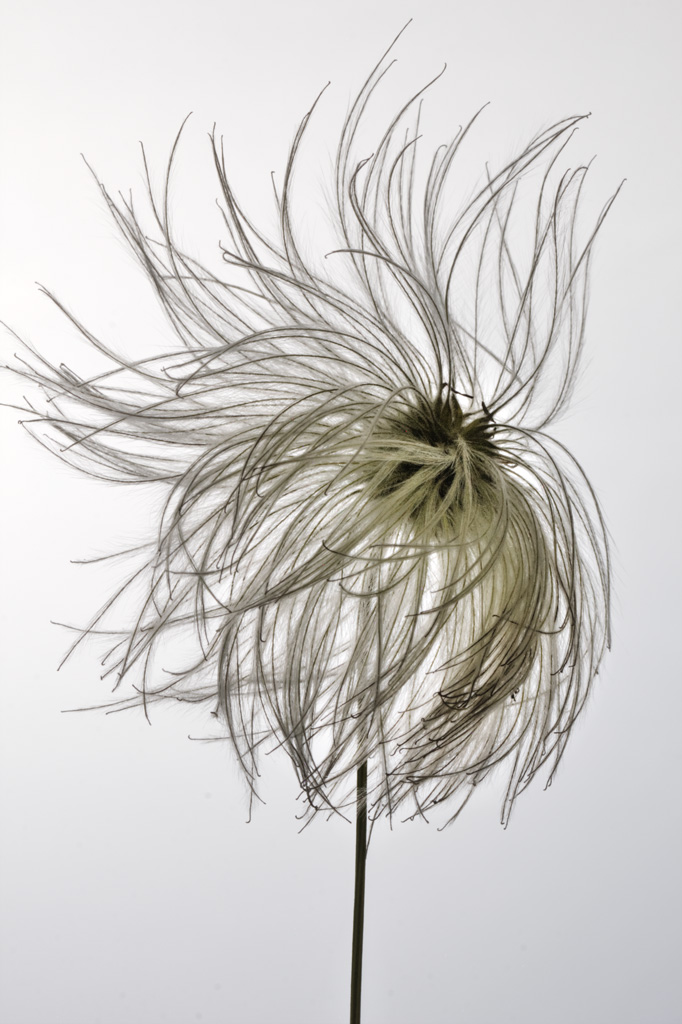
Clematis Hair #22 ~Botanical Portraits gallery 
Daffodils #14 ~Botanical Portraits gallery 
Sequoia #3 ~Landscapes gallery 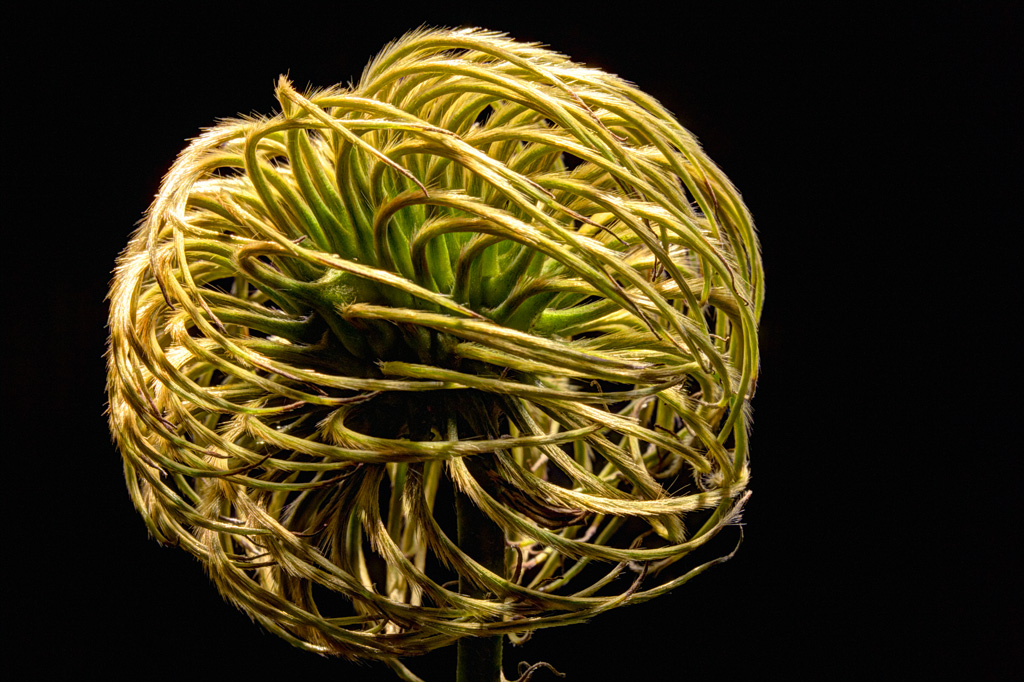
Lone Seeds #3 ~Botanical Portraits gallery 
Falling out of Style ~Landscapes gallery 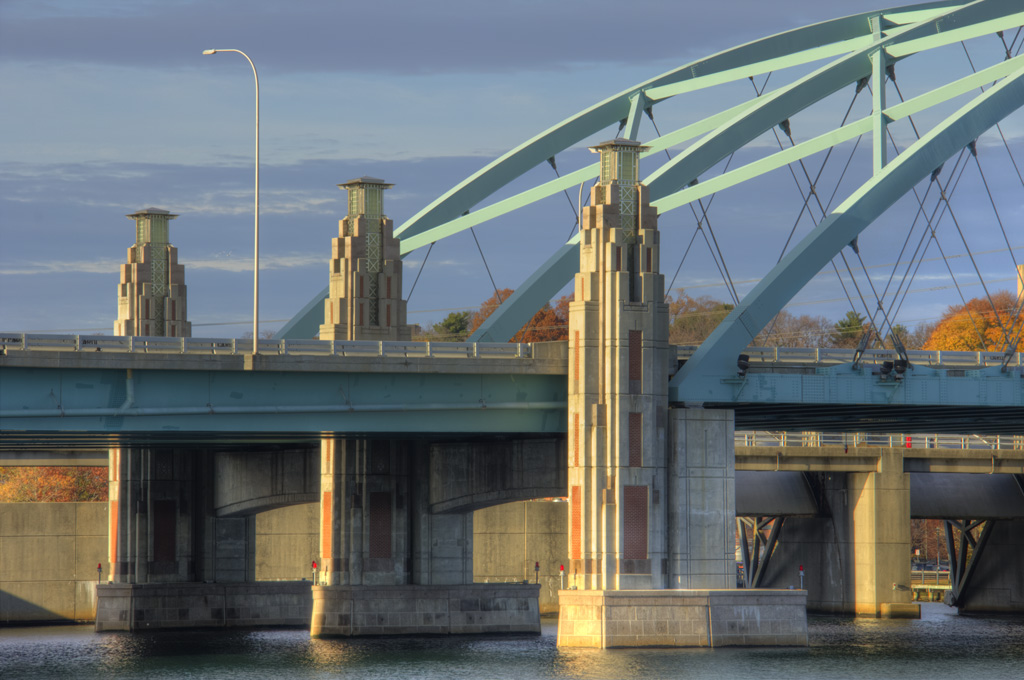
I-Way Three Columns ~Cityscapes gallery 
Last wall standing & clouds ~Cityscapes gallery 
Purkinje Trees ~Surreal Collage gallery 
Hall of Galilee ~Surreal Collage gallery 
Urban Emblem ~Symmetry in Surrealism gallery 
Silo Sky #2 ~Symmetry in surrealism gallery 
Art sink ~Phonography gallery 
Ghosts from George M. Cohan’s Youth ~Phonography gallery 
No Swimming, No Diving ~Phonography gallery 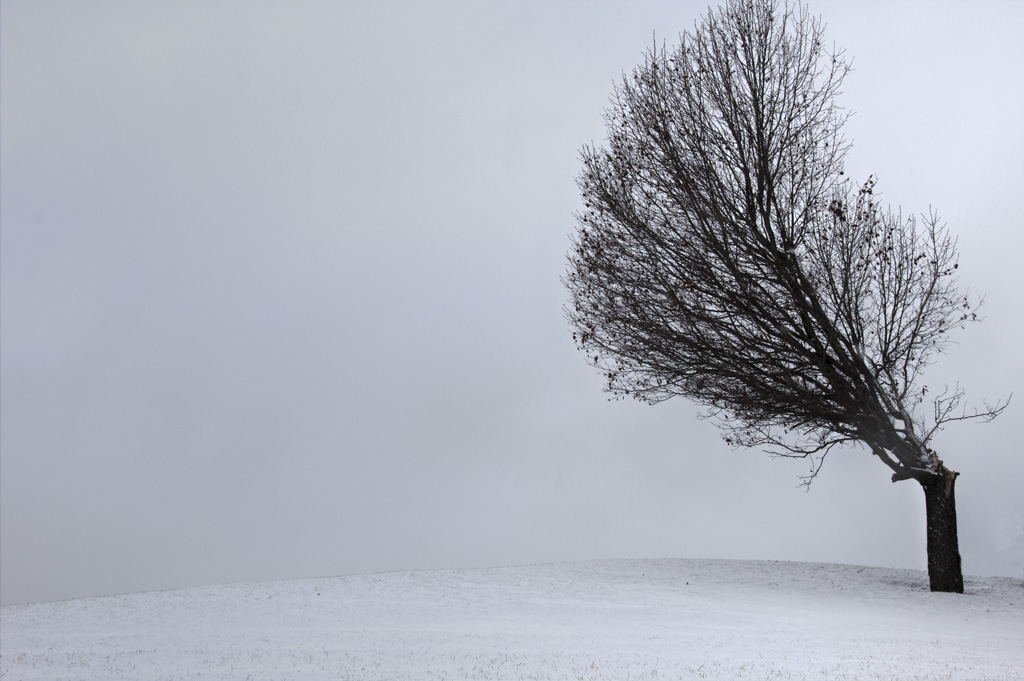
Half Tree on the Hill ~Landscape gallery 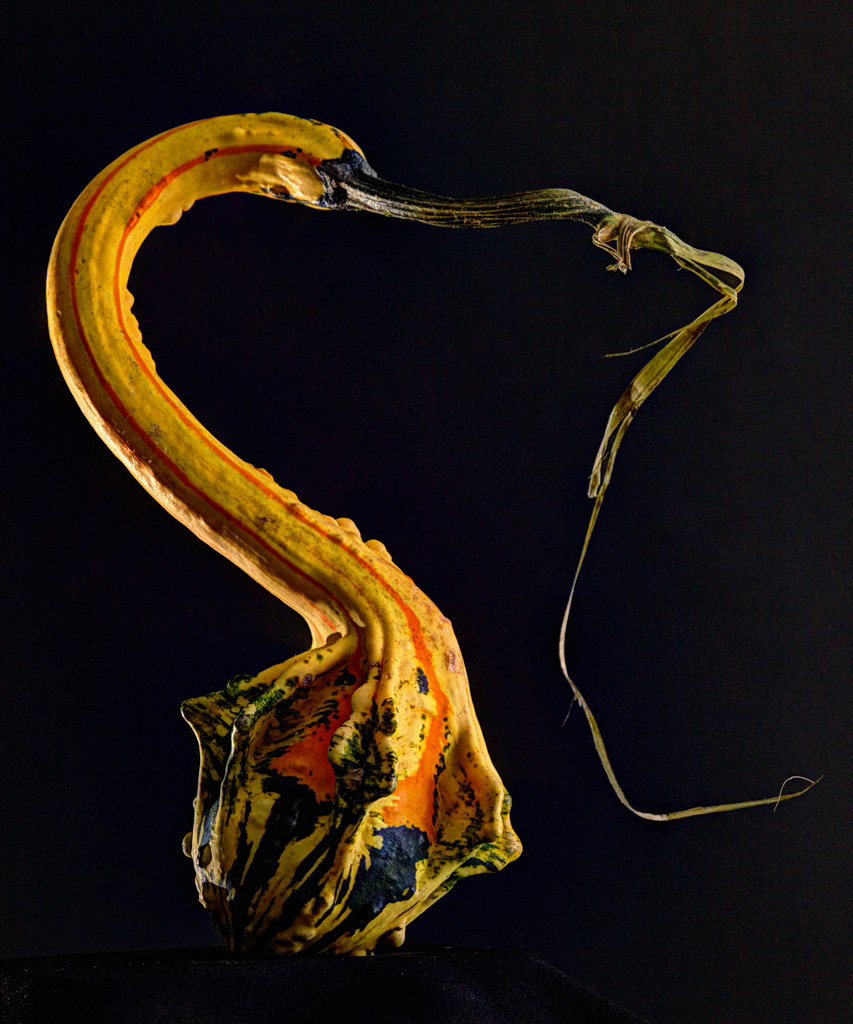
More Than Gourd ~Botanical Portraits gallery 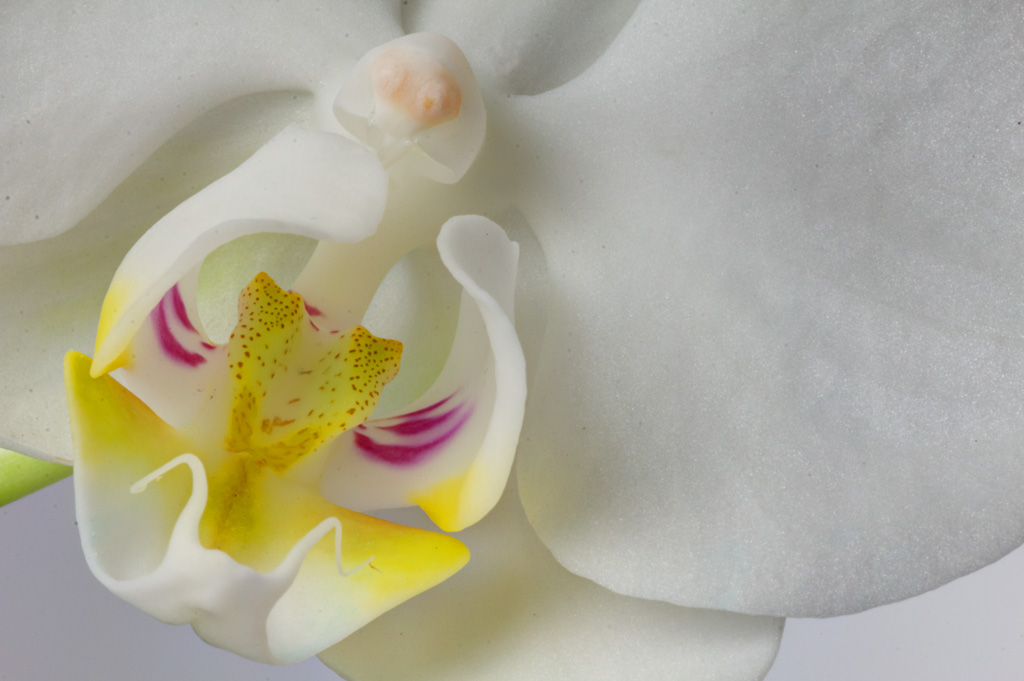
White Orchid #6 ~Botanical Portraits gallery 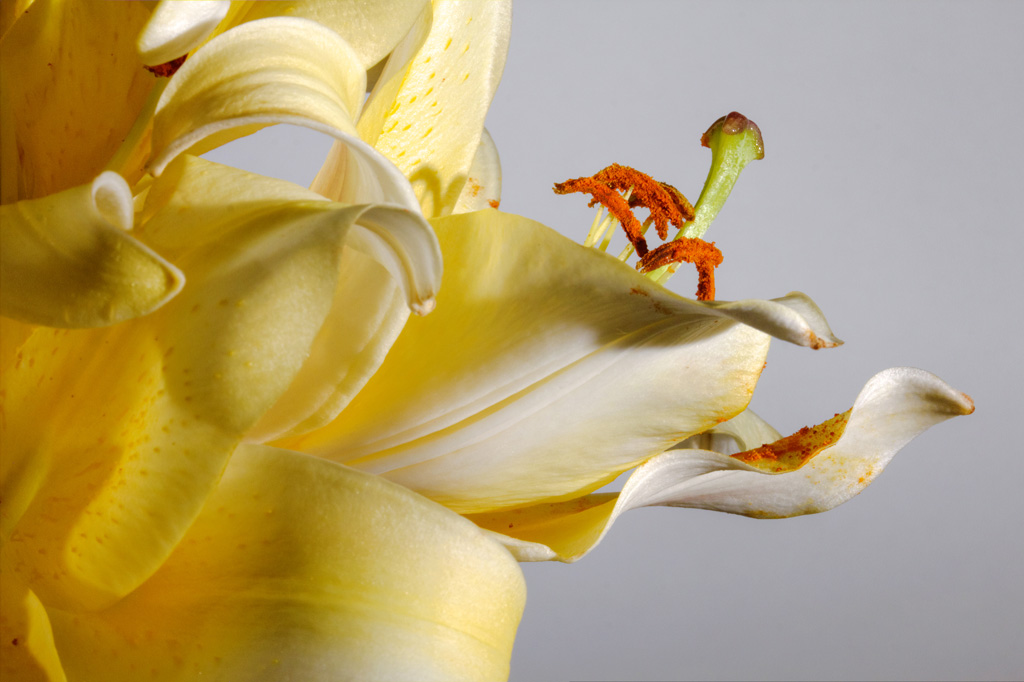
Asiatic Lily #22 ~Botanical Portraits gallery 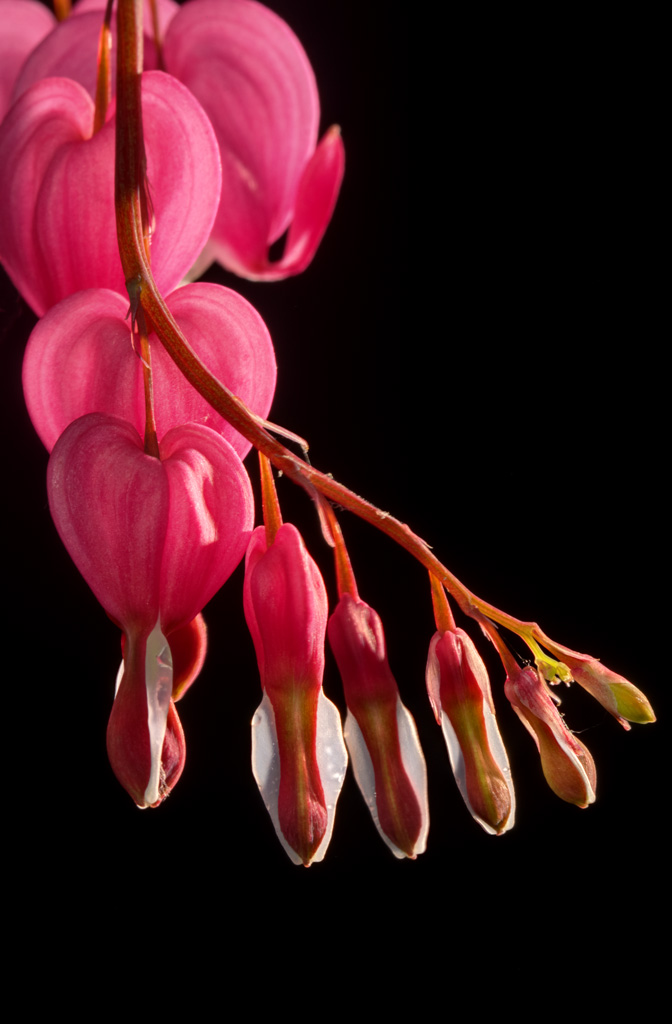
Bleeding Heart #20 ~Botanical Portraits gallery 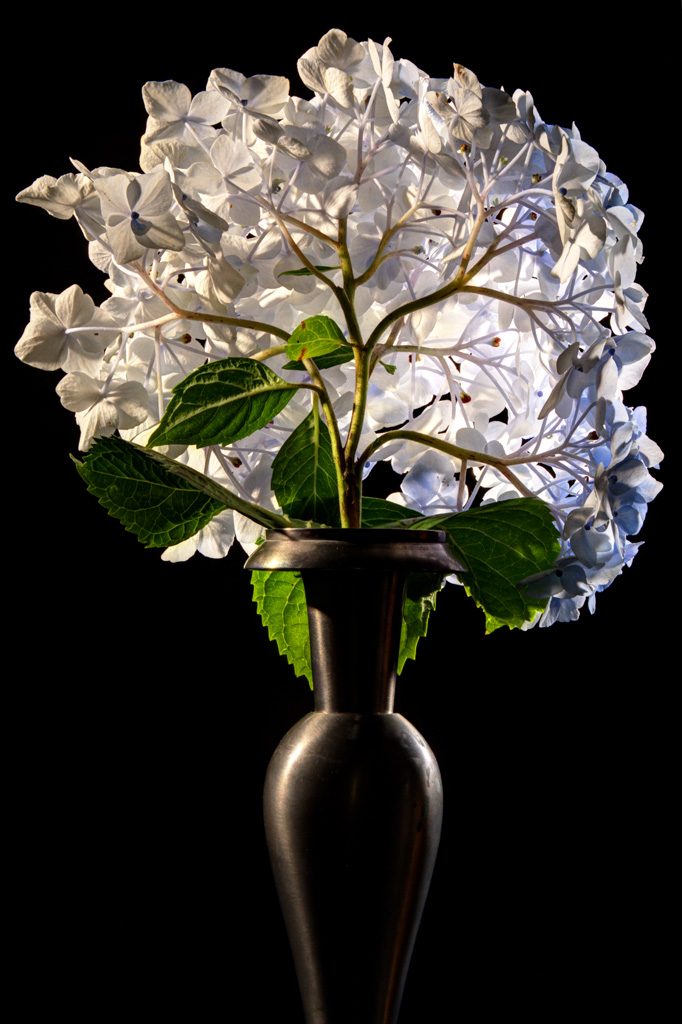
Hydrangea #53 ~Botanical Portraits gallery 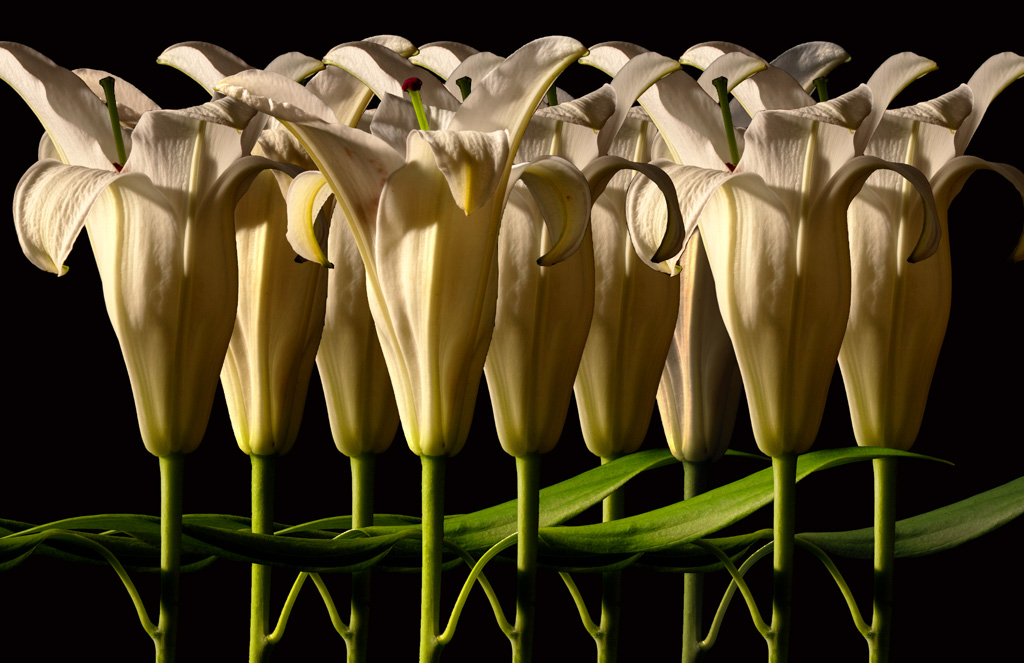
White Lilies of Swan Lake ~Botanical Montage gallery 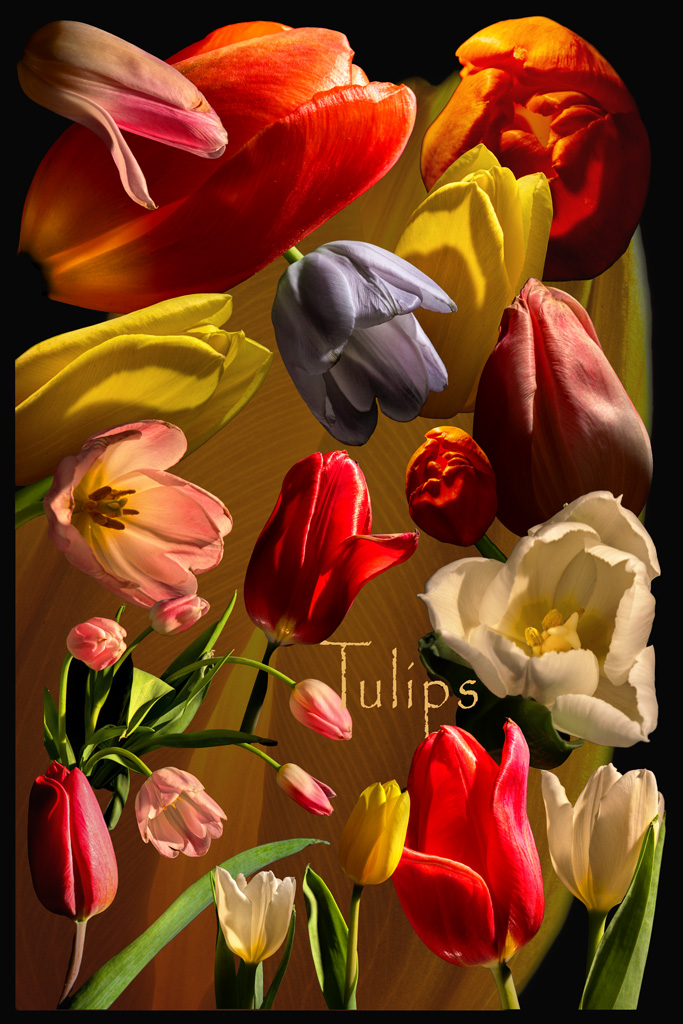
Tulips 24 poster ~Botanical Posters gallery 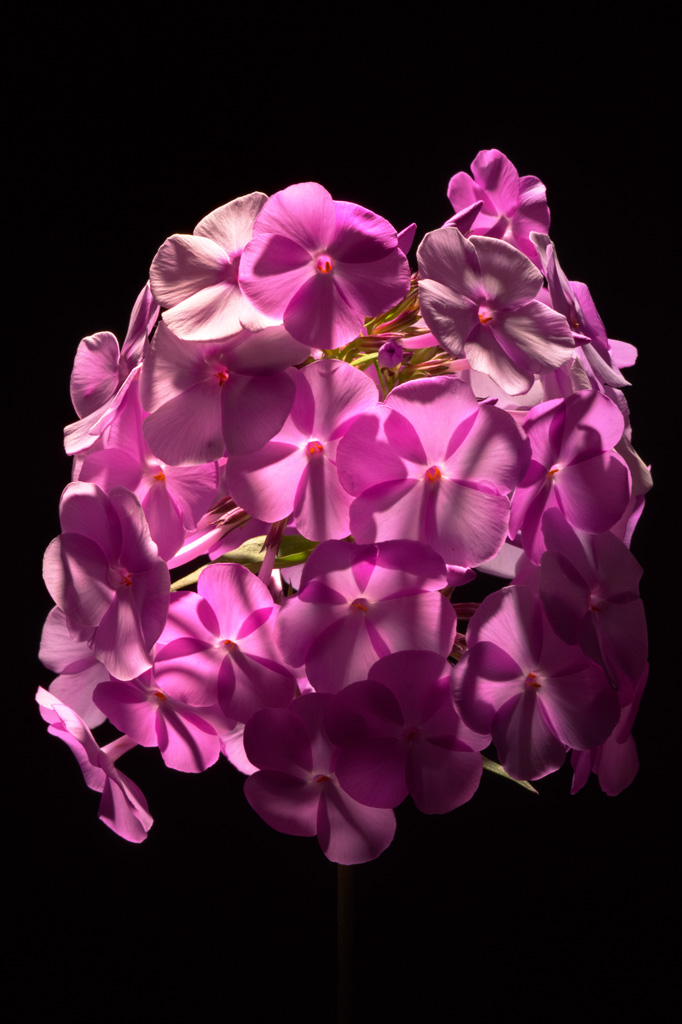
Phlox #11 ~Botanical Portraits gallery 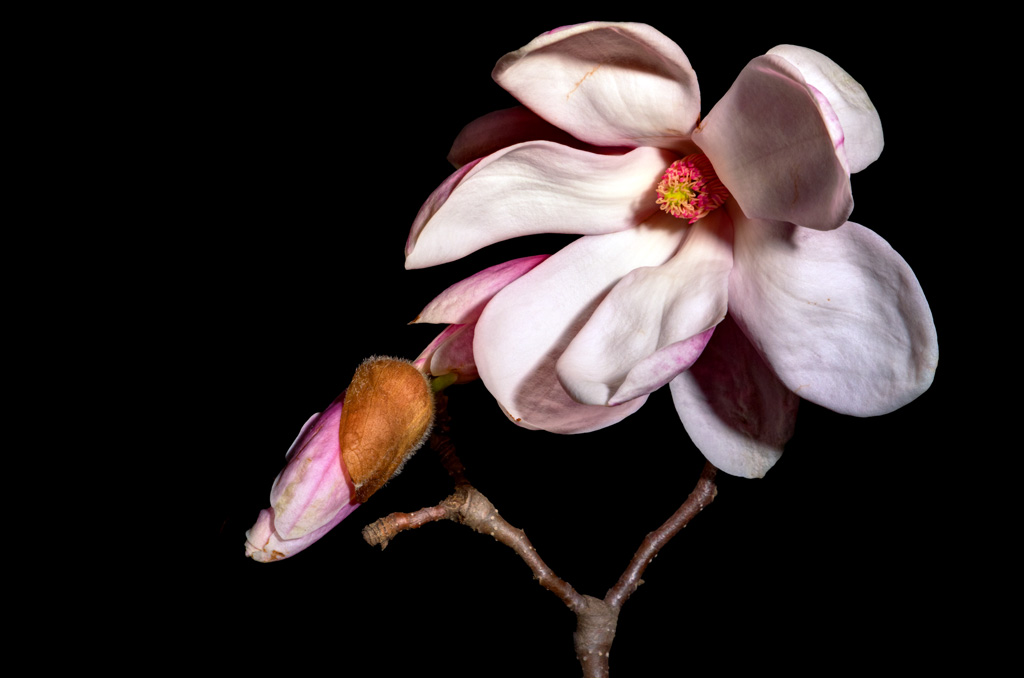
Magnolia #9 ~Botanical Portraits gallery 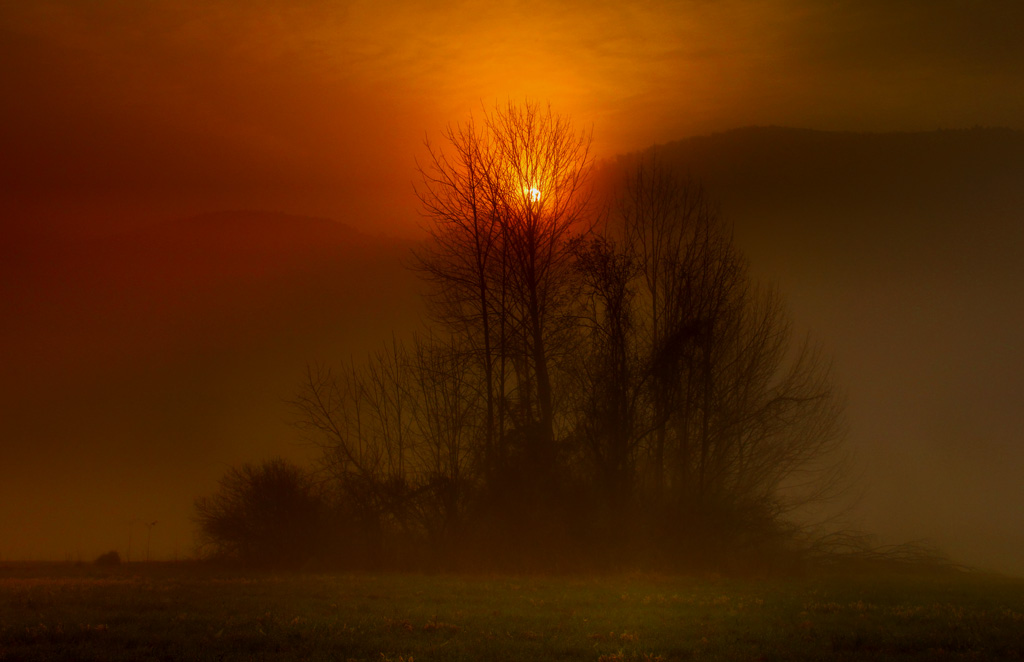
Sunrise in Fog & Tree Stand ~Landscapes gallery
 kenmoranphotography.com